 6235 6325
 9625 1395

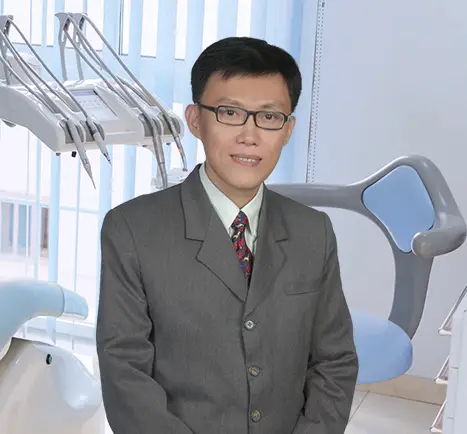
Dr Tan Kok Liang
Certified Specialist in Orthodontics
BDS, MSc (Orthodontics), DOrth RCS (Edinburgh)
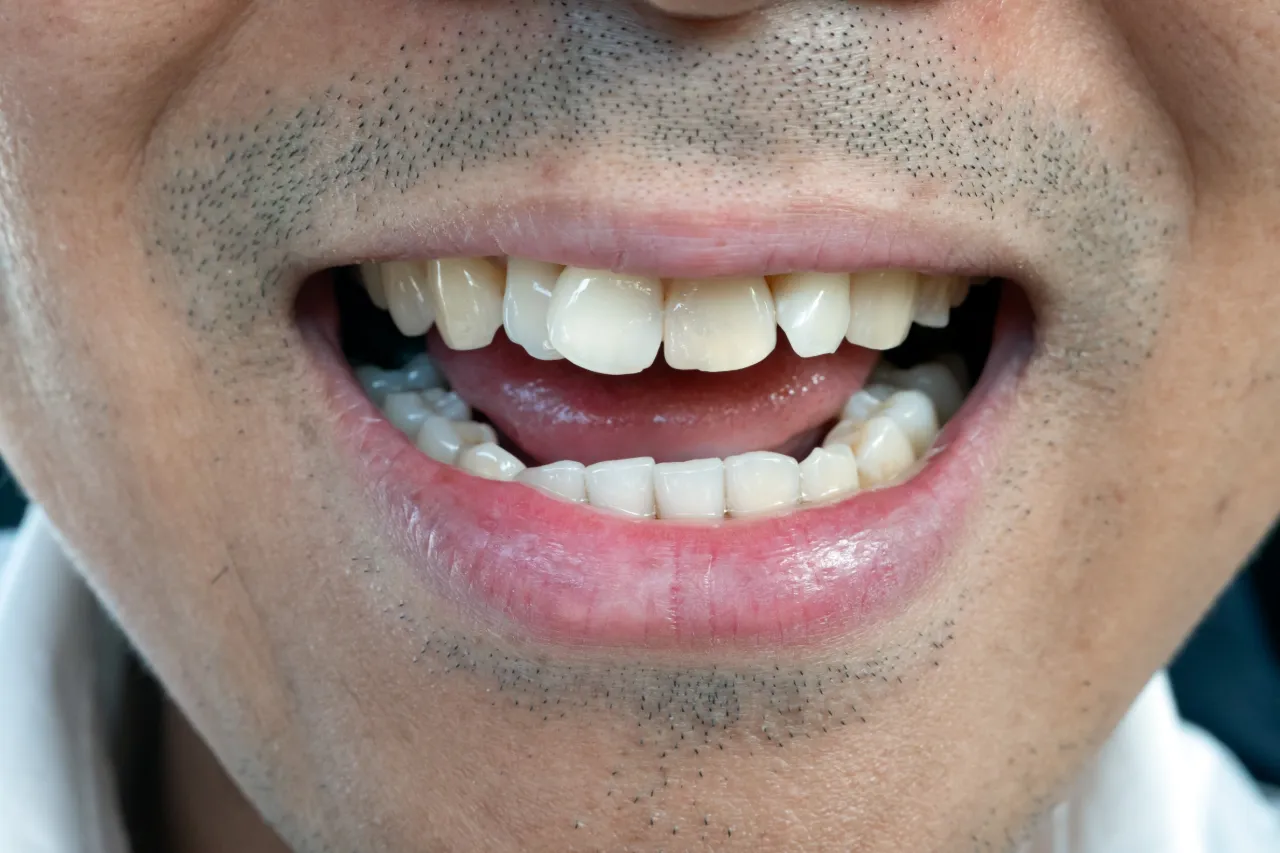
Crooked teeth are often noticed because of how they change the appearance of your smile. However, the concerns caused by crooked teeth are more than just cosmetic. The position of each tooth contributes to how the upper and lower teeth meet. As such, crooked or misaligned teeth can also affect the way your bite comes together.
Braces can address tooth alignment and certain bite problems within the same course of orthodontic treatment. By moving individual teeth into planned positions, treatment can straighten the teeth while also improving how the upper and lower teeth meet.
How Are Crooked Teeth and Bite Problems Connected?
Crooked teeth refer to teeth that are crowded, rotated, overlapping or otherwise out of alignment. A bite problem, also known as malocclusion, refers to how the upper and lower teeth meet when the mouth closes.
The two concerns can occur separately or at the same time. For example, someone with crowded teeth may also have an overbite, where the upper front teeth overlap the lower front teeth more than expected. Other bite concerns include underbites, crossbites and open bites.
Possible issues caused by these interconnected concerns include:
- Difficulty cleaning between teeth: Crowded or overlapping teeth may make some areas harder to brush and floss effectively.
- Uneven tooth wear: Certain bite patterns may place more pressure on particular teeth, contributing to uneven wear over time.
- Chewing difficulties: Some forms of malocclusion may affect how efficiently the teeth come together when biting or chewing.
- Gum irritation: Teeth that are difficult to clean may allow plaque to accumulate around the gumline, which can contribute to gum problems.
- Jaw discomfort: In some cases, an uneven bite may be associated with strain or discomfort around the jaw.
- Accidental tooth damage: Teeth that protrude or sit in certain positions may be more exposed to accidental knocks or injury.
Because tooth position and bite alignment are closely related, orthodontic treatment that realigns the teeth can often address both concerns within the same treatment plan. Moving crooked teeth into better alignment can form part of correcting the bite, while other planned tooth movements can adjust how the upper and lower teeth meet.
What Determines the Right Orthodontic Treatment Approach?
An orthodontist will assess factors such as:
- The type and extent of crowding, spacing or tooth rotation
- The type and severity of the bite problem
- The position and relationship of the teeth and jaws
- The amount of space available for tooth movement
- Age and stage of dental development
- Overall oral and dental health
These factors help establish whether the required correction can be achieved by moving the teeth alone or whether other measures need to form part of treatment.
How Can Braces Treat Crooked Teeth and Bite Problems Together?
Braces can often straighten crooked teeth and correct certain bite problems within the same course of treatment. This does not necessarily mean that every correction happens simultaneously. Instead, the orthodontist plans a sequence of tooth movements that works towards both improved tooth alignment and a better relationship between the upper and lower teeth.
These movements may be carried out in stages. For example, treatment may first create space and bring crowded or rotated teeth into better alignment before placing greater emphasis on how the upper and lower teeth meet. Orthodontic elastics may also be used alongside braces to guide certain bite corrections. These steps form part of the same overall treatment plan rather than requiring separate treatment for crooked teeth and the bite.
Braces alone are not suitable for every type of bite problem. In growing patients, some jaw-related problems may require appliances that guide jaw development, while more significant differences in jaw position can require a different approach, particularly once growth is complete. An orthodontic assessment can establish whether both concerns can be managed with braces or whether other measures need to form part of treatment.
How Do I Know Which Type of Braces Is Right for Me?
When braces are being used to address both crooked teeth and a bite problem, the orthodontist considers the movements required for both concerns when planning treatment. The type of braces that may be suitable for you will therefore reflect your tooth alignment, bite and overall treatment plan.
Different brace systems use different bracket designs, although they share the same general purpose of applying controlled forces to move teeth towards planned positions.
Conventional Braces
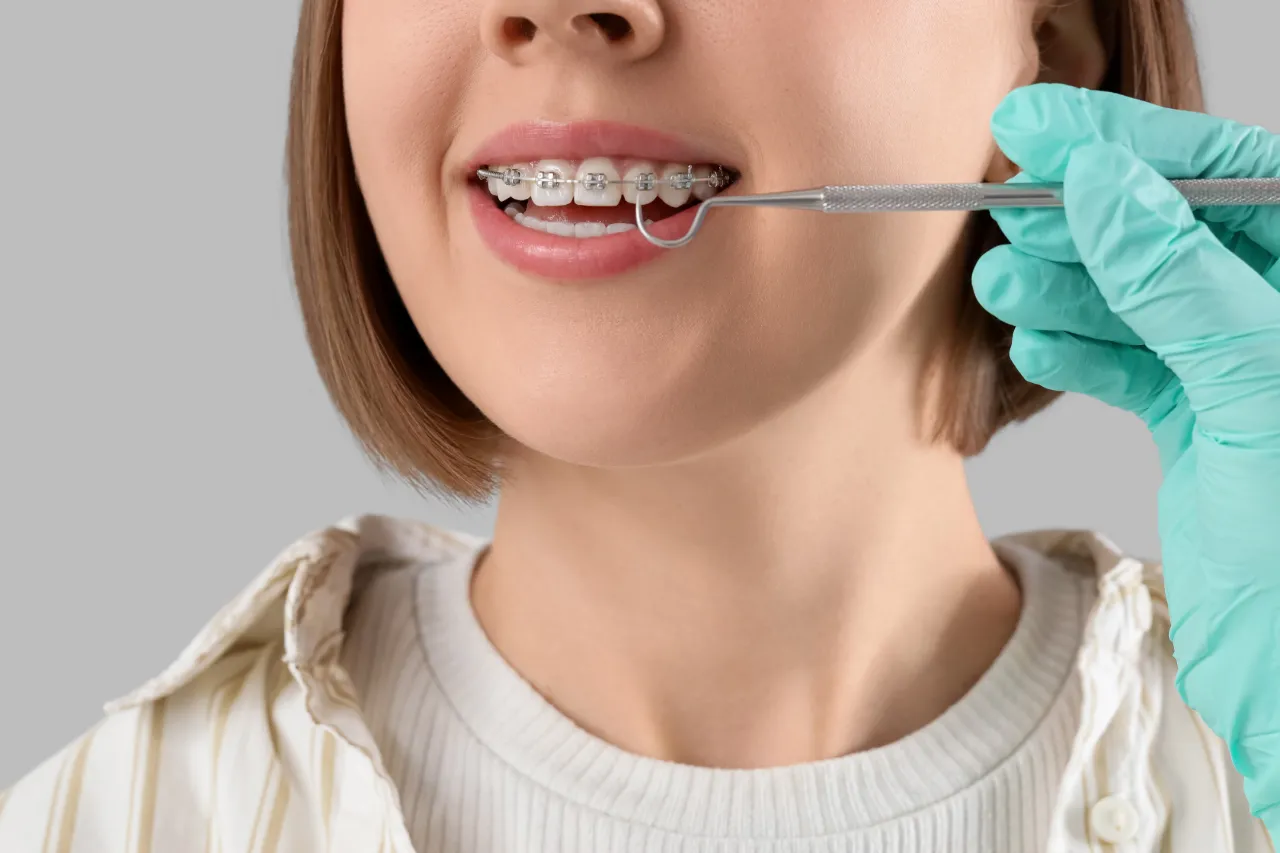
Conventional braces use brackets attached to the teeth, with an archwire held in place by small elastic or metal ties. The archwire applies forces that guide the teeth through a planned sequence of movements.
Depending on the case, conventional braces may be used to manage a range of tooth alignment and bite concerns. The orthodontist adjusts the system throughout treatment according to the movements required.
Non-Ligating Braces
Non-ligating braces also use brackets and an archwire, but the brackets have a built-in mechanism that holds the wire in place without conventional elastic or metal ties.
This difference changes how the archwire interacts with the brackets and may influence the mechanics used during certain stages of treatment.
The bracket system is only one consideration when planning orthodontic treatment. An orthodontic assessment can help determine which type of braces may be appropriate for your alignment and bite concerns based on the movements needed to achieve the treatment goals.
Find the Right Orthodontic Approach at emBRACE Dental Surgery
Crooked teeth and bite problems do not always need to be treated as separate concerns. In suitable cases, braces can address both within the same course of orthodontic treatment, with the planned tooth movements working towards improved alignment and a better relationship between the upper and lower teeth. A professional assessment can be an important starting point, helping to provide a clearer picture of the treatment approaches that may be suitable for you.
At emBRACE Dental Surgery, you can have your orthodontic needs assessed by Dr Tan Kok Liang, who has over two decades of experience in orthodontic care. He is committed to providing patients with braces treatment that considers comfort and convenience while incorporating appropriate orthodontic techniques and technologies.
Book an appointment with us to find out whether braces can address your tooth alignment and bite concerns as part of the same treatment plan.