
 6235 6325
 9625 1395
Dr Tan Kok Liang
Certified Specialist in Orthodontics
BDS, MSc (Orthodontics), DOrth RCS (Edinburgh)
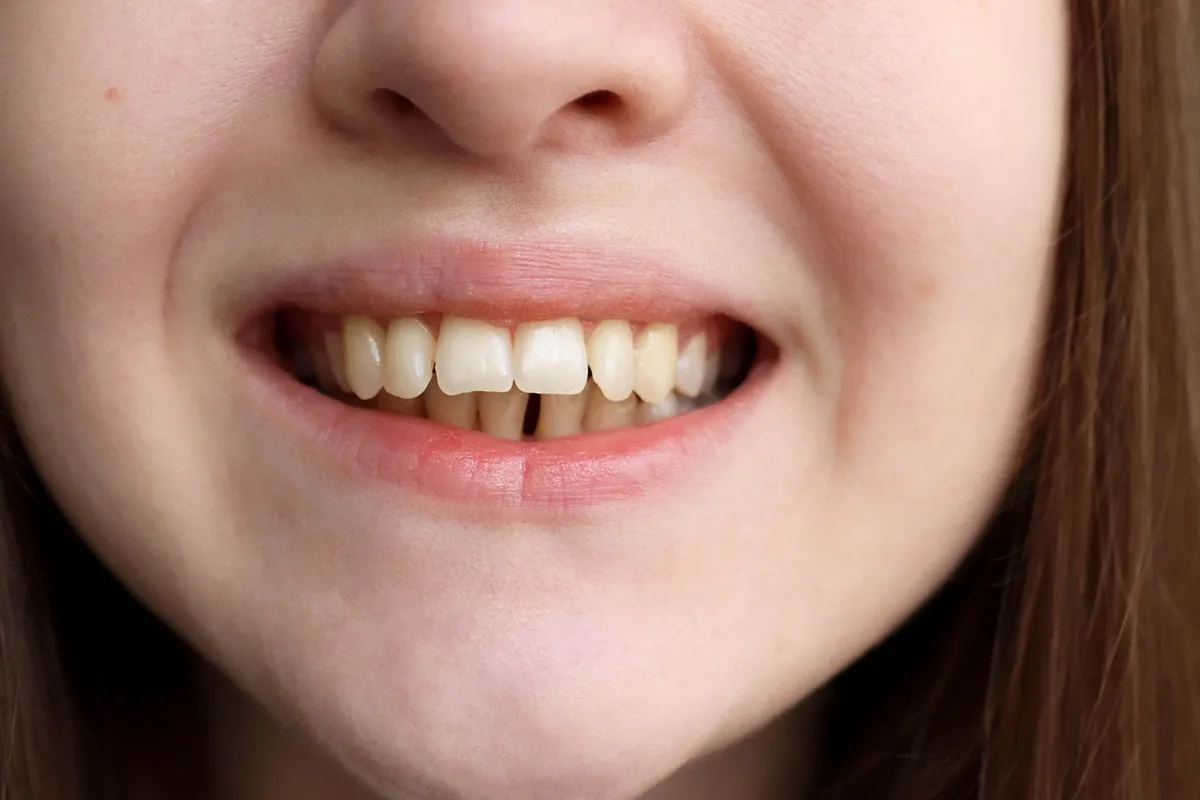
Do you ever feel discomfort while chewing or notice your jaw clicks when you speak? These can be signs of a misaligned bite, which affects more than just the appearance of your smile. When your teeth meet properly, your jaw moves smoothly, chewing is efficient and speaking comes naturally. But if your bite is off, even small misalignments can place extra strain on your teeth, gums and jaw muscles over time.
What Is a Misaligned Bite?
A misaligned bite, also known as malocclusion, occurs when the upper and lower teeth do not meet properly when the mouth closes. Instead of fitting together smoothly, certain teeth may sit too far forward, too far back or overlap in ways that create imbalance. Over time, this uneven contact can place additional pressure on the teeth, gums and jaw joints.
Common types of malocclusion include overbite, crossbite, open bite and overjet. Bite problems can arise from several factors, often starting in childhood or developing later in life.
Typical causes include:
- Genetics
- Childhood habits such as thumb sucking or prolonged pacifier use
- Tooth loss or poorly fitted dental restorations
- Jaw injuries or developmental issues
Common Indicators of a Misaligned Bite
A misaligned bite often develops gradually, which means they can go unnoticed for some time. Many people only realise something is wrong when discomfort appears or when changes in their smile become more visible.
Common indicators of bite misalignment include:
Crowded or Gapped Teeth
Crowding occurs when there is not enough space for teeth to sit neatly in the jaw. Teeth may overlap, twist or shift out of position, creating a tight or uneven appearance. You may also notice the irregular surface when running your tongue along them.
Gaps, on the other hand, appear as visible spaces between teeth. These spaces may trap food more easily and can feel like small empty areas when chewing.
An Uneven Smile
When the teeth or jaw are not aligned properly, your smile may appear slightly slanted or unbalanced. Some teeth may sit higher or lower than others, while certain teeth may appear more tilted. These differences can create an asymmetrical look when you smile.
Frequent Biting of Cheeks or Tongue
When teeth do not meet correctly, your cheeks or tongue may get caught during chewing or speaking, causing discomfort. Small sores, redness or bite marks can appear on the inside of the cheeks or tongue.
Jaw Clicking, Popping, Stiffness and Pain
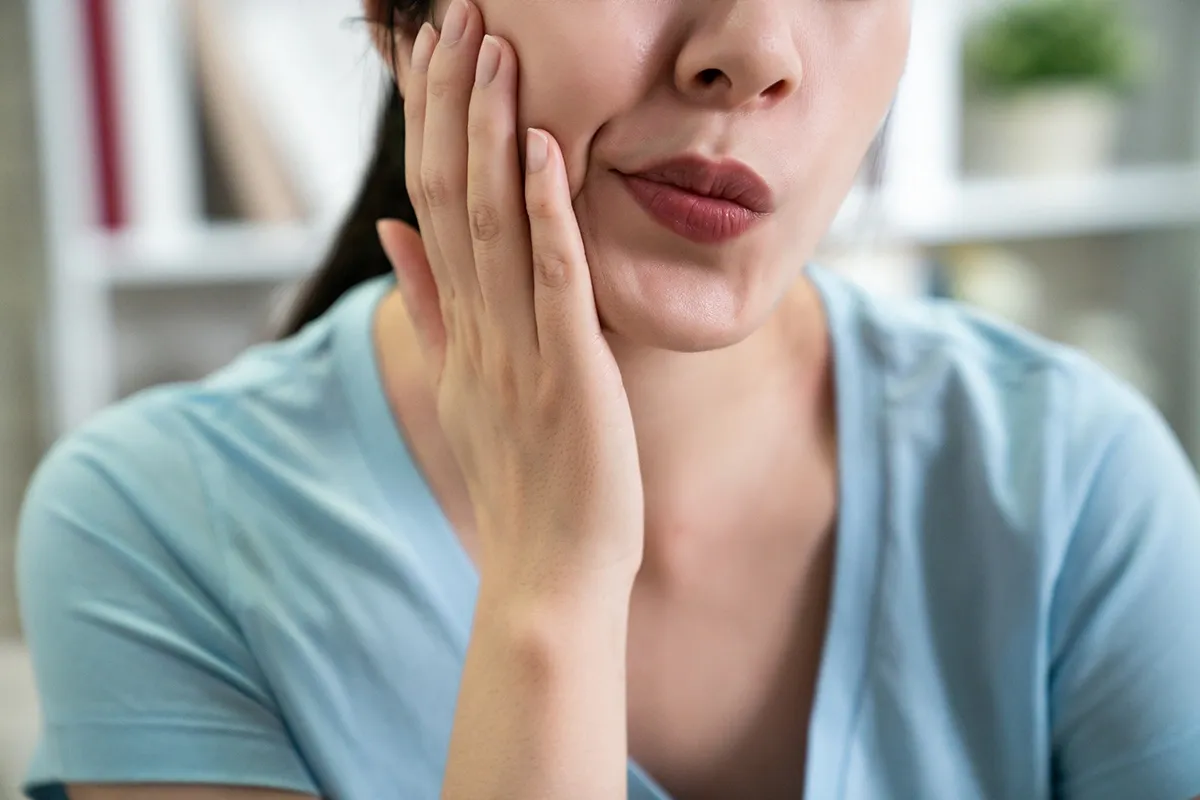
Misaligned bites can strain jaw muscles and joints, sometimes producing clicking or popping sounds. The jaw may feel tight, sore or tired after chewing or speaking for long periods.
How a Misaligned Bite Affects Oral Health
A misaligned bite does more than influence how your smile looks. Even mild alignment issues can place continuous pressure on the teeth, gums and jaw.
Below are some of the ways malocclusion can affect oral health:
Tooth Wear and Damage
When the bite is uneven, some teeth absorb more force than others during chewing. This repeated pressure can gradually wear down tooth surfaces. In some cases, teeth may develop small cracks or chips. Increased sensitivity may also occur as the protective enamel becomes thinner.
Gum Health Problems
Teeth that are crowded or poorly aligned can be harder to clean thoroughly. Tight or overlapping areas may trap plaque and bacteria, making brushing and flossing less effective. This buildup increases the risk of gingivitis and gum disease. If left untreated, gum disease may eventually affect the bone supporting the teeth.
Jaw Pain and TMJ Disorders
An imbalanced bite can place additional stress on the jaw muscles and temporomandibular joints. Over time, this strain may lead to jaw discomfort, stiffness or recurring headaches.
Difficulty Chewing and Speaking
When teeth are properly aligned, they work together efficiently to break down food. With bite misalignment, chewing may feel less effective or require more effort. In certain situations, alignment issues can also influence speech clarity, particularly if the front teeth do not meet correctly.
Increased Risk of Cavities
Misaligned teeth can create small spaces that are difficult to reach with a toothbrush or floss. Food debris and plaque may collect in these areas more easily. If these deposits remain for long periods, the likelihood of tooth decay increases. Untreated cavities can eventually lead to more complex dental problems.
Treatment Options for a Misaligned Bite
How your bite is treated depends on its severity, the underlying cause and your individual needs. Catching misalignment early can make treatment simpler and less invasive, and many cases can be managed without surgery.
Orthodontic Solutions
For most patients, orthodontic treatment is the first step. Braces and clear aligners gradually move teeth into healthier positions, improving both function and appearance. Some patients may benefit from self-ligating braces, which reduce friction during tooth movement and can make cleaning easier.
Restorative Treatments
If your bite concerns are mild, restorative dental procedures may be sufficient to improve how your teeth meet. Crowns, bridges, tooth reshaping or bonding can restore balance and enhance the alignment of your bite without more intensive orthodontic work.
Surgical Options
In cases where the jaw is significantly misaligned, orthognathic surgery may be recommended. This is usually combined with orthodontic treatment to create a stable, functional bite and ensure long term comfort and oral health.
Professional Guidance for a Healthier Bite
Addressing a misaligned bite is not just about improving the look of your smile. Proper treatment can relieve discomfort, protect your teeth and gums, as well as support long-term oral health. With the right guidance, correcting your bite can feel manageable and even empowering.
At emBRACE Dental, every treatment plan is customised to suit your bite concerns and lifestyle. Led by Dr Tan Kok Liang, the team combines modern diagnostic tools with expert planning to ensure accurate, comfortable, and effective care. Take the first step toward a healthier bite and greater confidence—book a consultation today to explore your options and begin your journey to lasting oral health and a smile you can feel proud of.