 6235 6325
 9625 1395
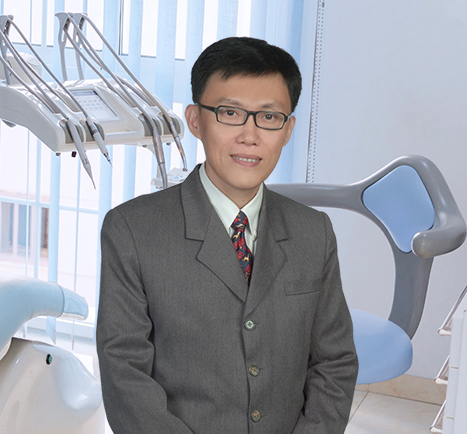
Dr Tan Kok Liang
Certified Specialist in Orthodontics (Dental Braces)
BDS, MSc (Orthodontics), DOrth RCS (Edinburgh)
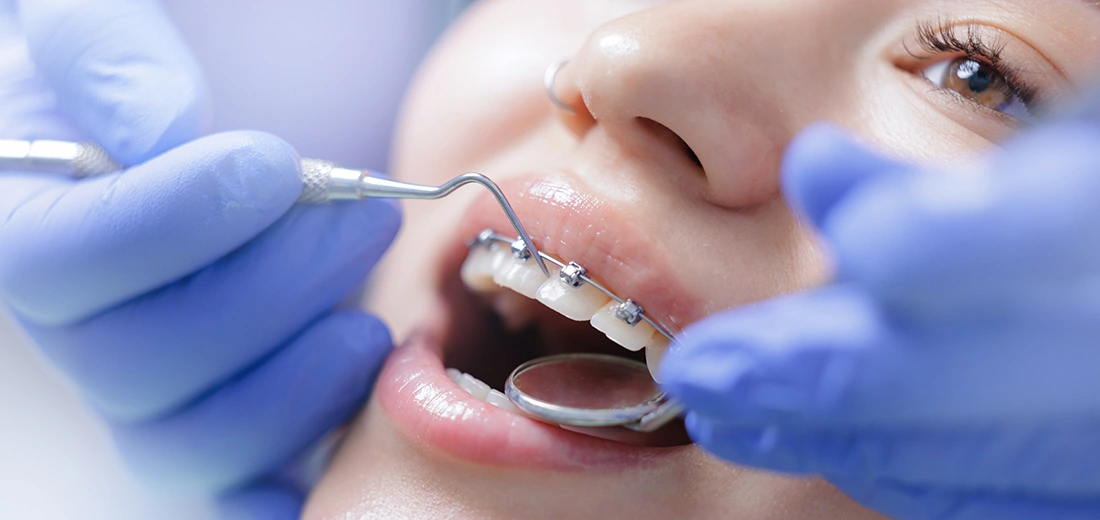
You may have noticed more teenagers and adults in Singapore choosing clear aligners for a discreet smile. Yet when an orthodontist examines a complex case, such as severely crowded teeth or a significant bite problem, metal braces are often still recommended. This can come as a surprise, especially if you assumed they were simply a more affordable option. In reality, metal braces remain widely used because they are a precise and highly controlled orthodontic tool designed to manage intricate alignment challenges.
Understanding Complex Alignment Issues
While mild spacing or minor crowding can sometimes be corrected with removable systems, more complicated cases require a method that allows exact tooth movement in multiple directions.
Severe Crowding
When there is insufficient space in the jaw, teeth can overlap or twist significantly. Moving each tooth into its proper position requires controlled force over time.
Significant Bite Problems
Overbites, underbites, crossbites and open bites affect not just appearance but also chewing and speech. Correcting these concerns often demands careful adjustment of both upper and lower arches simultaneously.
Rotations and Vertical Discrepancies
Teeth that are rotated or positioned too high or too low in the gum line need precise manipulation. In such situations, fine adjustments are essential to achieve long term stability.
Why Metal Braces Remain a Precision Tool
Metal braces are sometimes misunderstood as basic or outdated. In truth, modern stainless steel brackets are engineered for accuracy and durability. They allow orthodontists to apply steady, calibrated pressure to guide teeth into optimal alignment.
Precise Force Control
Each bracket is bonded to a specific position on the tooth surface. The archwire that runs through the brackets can be adjusted at regular intervals, allowing the orthodontist to fine tune the direction and intensity of movement. This level of control is particularly important for complex corrections.
Predictable Results
Because metal braces are fixed in place, they work continuously. There is no reliance on patient compliance in wearing trays for a certain number of hours each day. This makes outcomes more predictable, especially in younger patients or in cases requiring significant repositioning.
Versatility in Treatment
Metal braces can be combined with elastics and other auxiliaries to address jaw relationships and bite discrepancies. This flexibility makes them suitable for a wide range of orthodontic needs.
Advancements in Modern Metal Braces
While metal braces have been used for decades, they are far from outdated. In fact, continuous improvements in design and technology have transformed them into a far more refined and comfortable treatment option than many people realise.
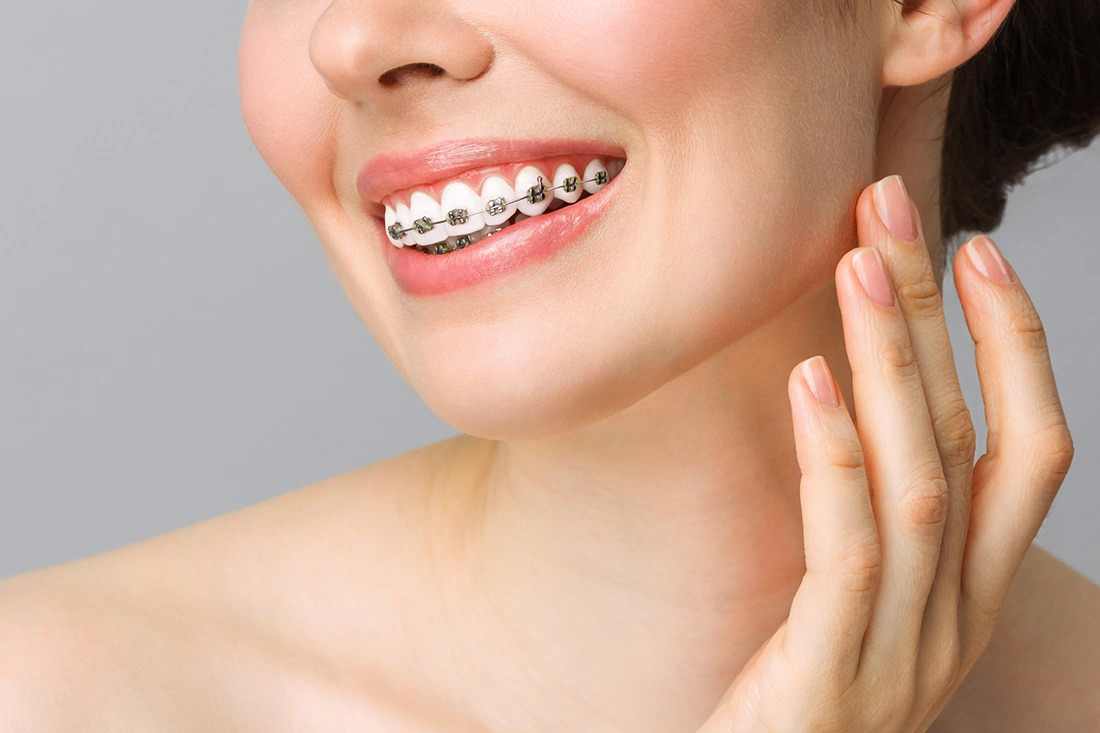
Today’s metal braces are smaller and more streamlined than earlier versions. The brackets are designed with a lower profile and smoother edges, helping to minimise irritation to the cheeks and lips. Advances in materials have also strengthened the system, allowing for efficient tooth movement while maintaining durability throughout treatment.
Orthodontics itself has evolved significantly. Digital imaging and computer-assisted treatment planning now allow orthodontists to map each stage of alignment with impressive precision. Metal braces integrate seamlessly into this modern workflow, enabling carefully calibrated adjustments based on detailed diagnostics and personalised planning.
Addressing Common Misconceptions
Despite medical advancements, a few long-standing assumptions about metal braces still persist. It is common to associate metal braces with teenagers, yet adults frequently benefit from them as well. Complex alignment issues do not disappear with age, and in some situations, fixed appliances remain the most effective way to achieve precise correction.
Another misconception is that metal braces are uncomfortable. Some mild soreness after adjustments is normal, but this applies to most orthodontic systems. With proper guidance, good oral hygiene and regular follow-up visits, many patients adapt quickly and find the process manageable.
There is also the belief that metal braces are chosen purely because they cost less. In reality, they are recommended for their mechanical accuracy and ability to manage intricate movements. When an orthodontist suggests metal braces, the decision is typically guided by clinical requirements rather than price.
Is Metal Braces Treatment Right for You?
Choosing the right orthodontic treatment depends on a thorough assessment of your teeth, jaw structure and treatment goals. During a consultation, your orthodontist will evaluate X-rays, digital scans and bite relationships to determine the most effective approach. If your case involves substantial crowding, complex bite correction or significant rotation, metal braces may provide the controlled movement necessary for safe and lasting results. For milder concerns, alternative options might be suitable. The key is a personalised plan that prioritises function, stability and long term oral health.
Achieving Results with emBRACE Dental
Metal braces continue to be widely used because they remain one of the most accurate and dependable tools for managing complex alignment cases. When thoughtfully planned and expertly applied, they offer controlled movement, reliable outcomes and long term stability.
If you are exploring treatment for complex alignment concerns, a detailed consultation can help you understand whether metal braces are the most precise solution for your needs. At emBRACE Dental, led by Dr Tan Kok Liang, every treatment plan is grounded in established orthodontic principles and tailored to your individual needs. With careful assessment and meticulous planning, we focus on delivering patient-centred care designed for lasting, stable results.
Book an appointment and take the first step towards a confident smile supported by experience, innovation and precision.