 6235 6325
 9625 1395
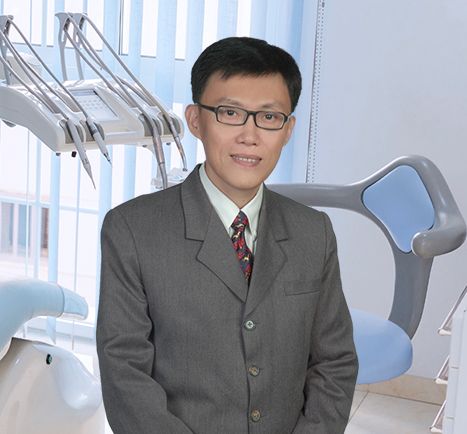
Dr Tan Kok Liang
Certified Specialist in Orthodontics (Dental Braces)
BDS, MSc (Orthodontics), DOrth RCS (Edinburgh)
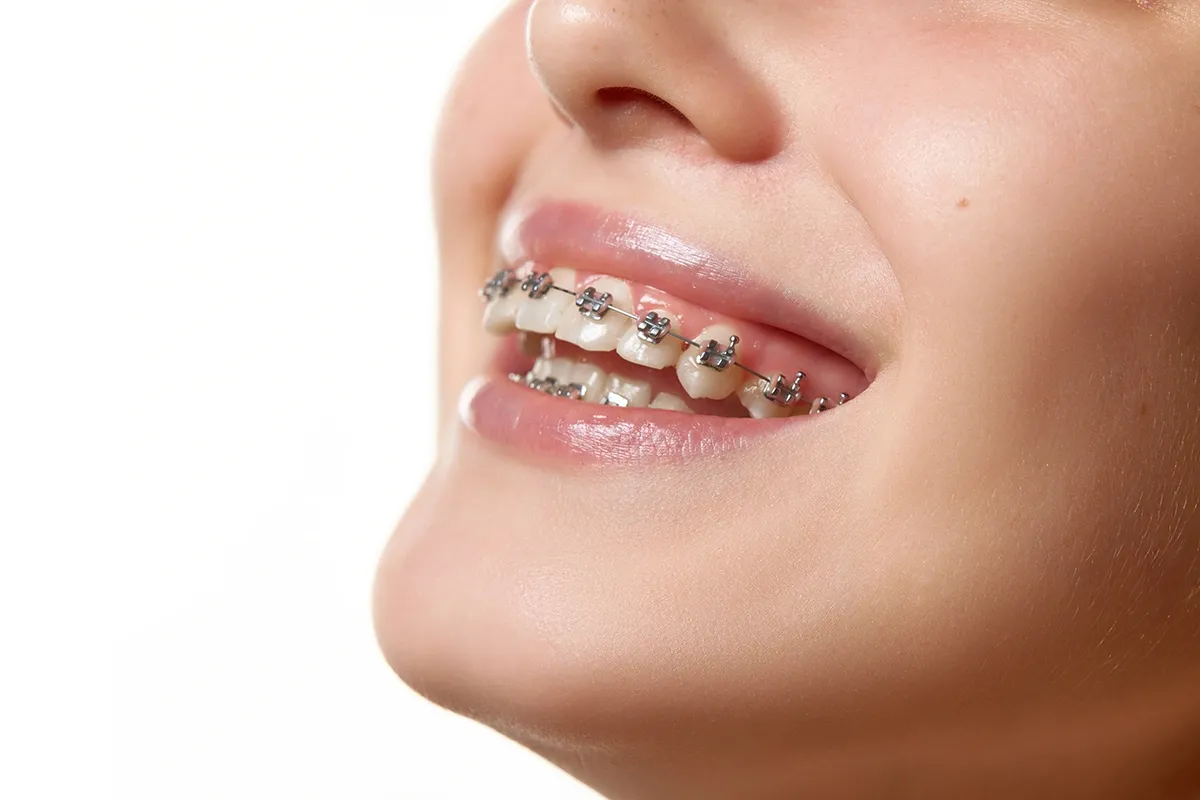
Are you thinking about getting dental braces but feeling unsure because of things you have heard from others? Many people hesitate to begin orthodontic treatment because of common myths about pain, treatment duration or age limits.
The truth is that modern orthodontics has advanced considerably, offering more comfortable and discreet treatment options than ever before. By understanding the facts behind these common misconceptions, you can make a more informed decision about whether braces are right for you.
Myth #1: Braces Are Only for Children and Teenagers
Many people believe that orthodontic treatment should only be done during childhood or adolescence. Because of this, adults sometimes assume they have missed the opportunity to correct their teeth. In reality, adult orthodontic treatment is increasingly common. Many adults choose braces to address concerns such as crowded teeth, gaps or bite problems that may have developed over time. As long as the gums and supporting bone remain healthy, teeth can be successfully realigned at almost any stage of life.
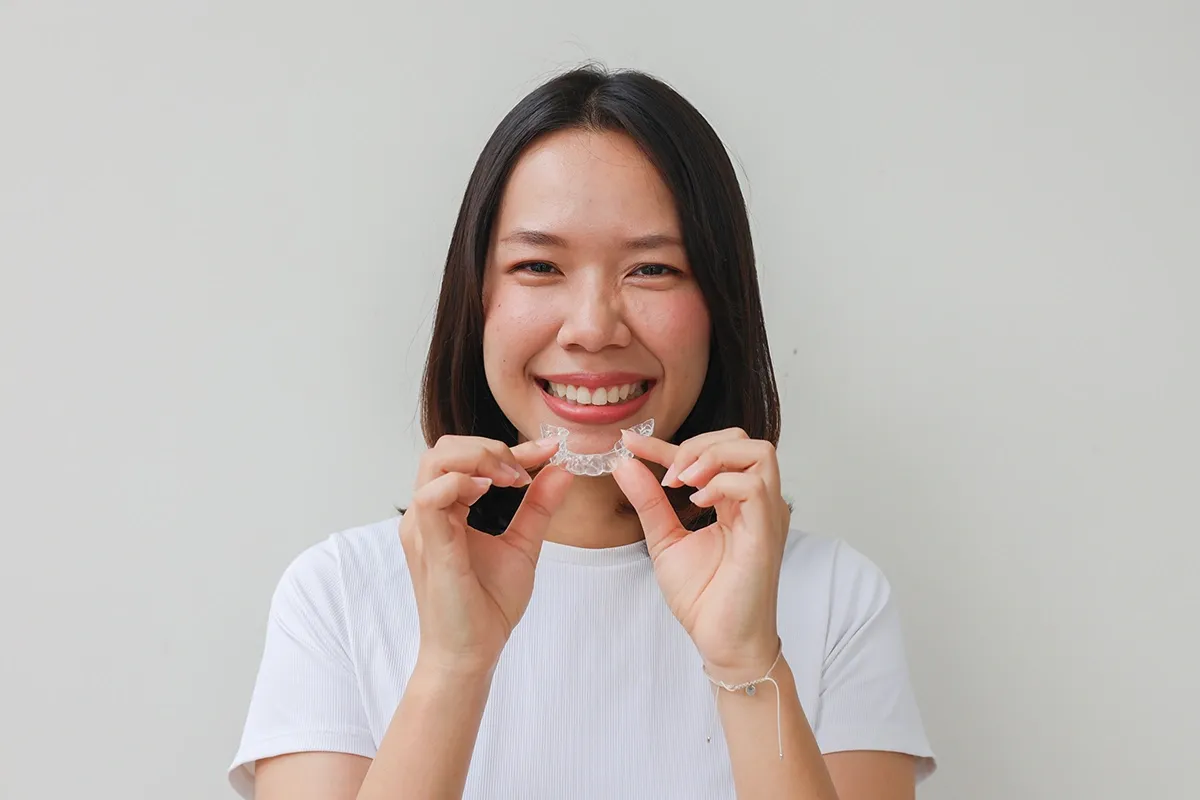
Advances in orthodontic technology have also introduced more discreet options such as ceramic braces and clear aligners. These solutions are often appealing to adults who prefer a more subtle approach to treatment in professional or social settings.
Myth #2: Getting Braces Is Extremely Painful
Another common concern is that wearing braces involves significant pain. Stories from years ago often describe bulky brackets and uncomfortable adjustments, which can make people hesitant to begin treatment. However, modern orthodontic appliances are designed with comfort in mind. Today’s brackets are smaller and smoother, and orthodontists use lighter forces to gradually guide teeth into alignment.
You may feel some mild pressure or soreness when braces are first fitted or after adjustments. This usually settles within a few days. If needed, over the counter pain relief can help manage temporary discomfort. Orthodontists may also provide orthodontic wax to reduce irritation while your mouth adjusts.
Myth #3: Braces Must Be Worn for Several Years
Many assume that getting braces means committing to years of treatment. This perception can make orthodontic care feel like a long and inconvenient process. The truth is that treatment duration varies depending on the individual. The time required depends on factors such as the complexity of your case, the type of braces used and how closely you follow your orthodontist’s instructions throughout treatment.
For many patients, braces are worn for 18 to 24 months. Milder alignment issues may be corrected in six to 12 months, while more complex cases involving significant tooth movement may require a longer treatment period. During your consultation, your orthodontist will examine your teeth, evaluate your bite and provide a personalised treatment timeline so you know what to expect from the start.
Myth #4: Braces Are Only for Cosmetic Purposes
It is easy to think that braces are mainly about achieving a straighter smile. While aesthetics are certainly a benefit, orthodontic treatment serves a much broader purpose. Correcting misaligned teeth and bite problems, known as malocclusions, can improve chewing function and reduce strain on the jaw muscles. Proper alignment also makes it easier to clean between teeth, which may lower the risk of plaque buildup, tooth decay and gum disease. In addition, addressing bite irregularities can help prevent uneven tooth wear and other long term dental complications.
Myth #5: Any Dentist Can Provide Braces or Clear Aligners
Some patients assume that orthodontic treatment is the same regardless of who provides it. While general dentists can offer many dental services, orthodontics is a specialised field. Orthodontists undergo additional years of training focused specifically on diagnosing and treating misaligned teeth and jaw irregularities. This specialised education allows them to carefully plan tooth movement while considering bite balance and facial structure. With this expertise, orthodontists can develop treatment plans designed to achieve safe, stable and long lasting results.
Myth #6: Treatment Ends Once Braces Are Removed
Another misconception is that treatment ends once the braces are removed. Many people are surprised to learn that maintaining the results requires ongoing care. Teeth naturally have a tendency to shift back towards their original positions, a process known as relapse. To prevent this, orthodontists prescribe retainers. These custom made appliances hold teeth in their corrected position while the surrounding bone and tissue stabilise. Most patients wear retainers full time initially, followed by nighttime wear over an extended period according to their orthodontist’s instructions.
Myth #7: Braces Will Stop You From Playing Sports or Instruments
Some individuals worry that braces will interfere with daily activities such as sports or playing musical instruments. This concern can discourage people from pursuing treatment. In reality, most patients continue their usual activities without significant disruption. If you participate in contact sports, a custom fitted mouthguard can help protect both your teeth and your braces.
Musicians who play wind instruments may experience a brief adjustment period at first. However, with practice most people adapt quickly and are able to continue playing comfortably.
Myth #8: DIY Braces or Online Aligner Kits Work Just as Well
With the rise of online orthodontic products, some people believe that do it yourself aligner kits can deliver the same results as treatment supervised by a specialist. In reality, moving teeth safely requires careful planning and ongoing monitoring. Many DIY kits skip essential diagnostic steps such as dental examinations and X-rays, which help determine whether tooth movement is appropriate.
Without proper supervision, teeth may shift incorrectly and lead to complications such as gum damage, bite problems or root injury. In severe cases, inappropriate treatment may even result in tooth loss.
Achieve Your Ideal Smile with Dr Tan Kok Liang
Living with concerns about your teeth or smile can feel overwhelming, but professional care can make a real difference. If you are considering orthodontic treatment, seeking guidance from a specialist can help you feel confident and informed every step of the way.
At emBRACE Dental, Dr Tan Kok Liang offers personalised orthodontic care for patients of all ages, from conventional braces to modern options like Invisalign and the first ever non-ligating braces. Reach out to our team to learn more or book a consultation to discuss the treatment plan that’s right for you.