
 6235 6325
 9625 1395
Dr Tan Kok Liang
Certified Specialist in Orthodontics (Dental Braces)
BDS, MSc (Orthodontics), DOrth RCS (Edinburgh)

If you have seen conventional braces before, you may recognise the small elastic ties that hold the archwire against each bracket. These ties may seem like a minor detail, but they are part of the mechanics involved in moving teeth.
Non-ligating braces take a different approach. Instead of relying on elastic ties to secure the archwire, their brackets have a built-in mechanism that holds the wire in place. This difference can reduce certain sources of friction between the archwire and brackets as teeth move.
Understanding where friction comes from and how it affects tooth movement can help explain when reducing it may be useful during orthodontic treatment.
What Does Friction Mean During Orthodontic Treatment?
During some stages of orthodontic treatment, teeth need to slide along an archwire towards their planned positions. As the archwire passes through the brackets, contact between the two surfaces creates resistance known as friction.
When friction is higher, more of the force within the braces system is needed to overcome this resistance. Reducing friction can allow the archwire to move more freely through the brackets during certain tooth movements.
Think of pulling a suitcase across a smooth floor compared with a rough surface. Less resistance can make sliding easier, but it does not necessarily mean you will reach your destination sooner. The total journey still depends on what needs to happen along the way.
The same principle applies during orthodontic treatment: reducing friction may assist certain tooth movements, but it is only one part of how treatment progresses.
How Do Non-Ligating Braces Reduce Friction?
The key difference between conventional and non-ligating braces is how the archwire is held in place.
With conventional braces, small elastic or metal ties, known as ligatures, secure the archwire to each bracket. The way the archwire is held within the bracket can contribute to resistance as the wire moves through it.
Non-ligating braces use a built-in mechanism to hold the archwire instead. Without an elastic ligature pressing the wire into the bracket slot, there may be less resistance between the wire and bracket during certain tooth movements.
Does the Type of Archwire Matter?
Yes. Friction does not depend on the bracket alone.
The characteristics of the archwire and how it interacts with the bracket can affect resistance during tooth movement. This means that simply choosing a non-ligating bracket does not eliminate friction altogether. Rather, its design may reduce a particular source of friction associated with ligatures.
Is Lower Friction Useful Throughout Treatment?
Not always. Lower friction can be useful when a tooth needs to slide along the archwire, as it allows the wire to move more freely through the bracket. At other stages, the orthodontist may need greater control over how individual teeth move or remain in position.
The value of lower friction therefore depends on the type of tooth movement required at each stage of treatment and how the orthodontist plans to achieve it.
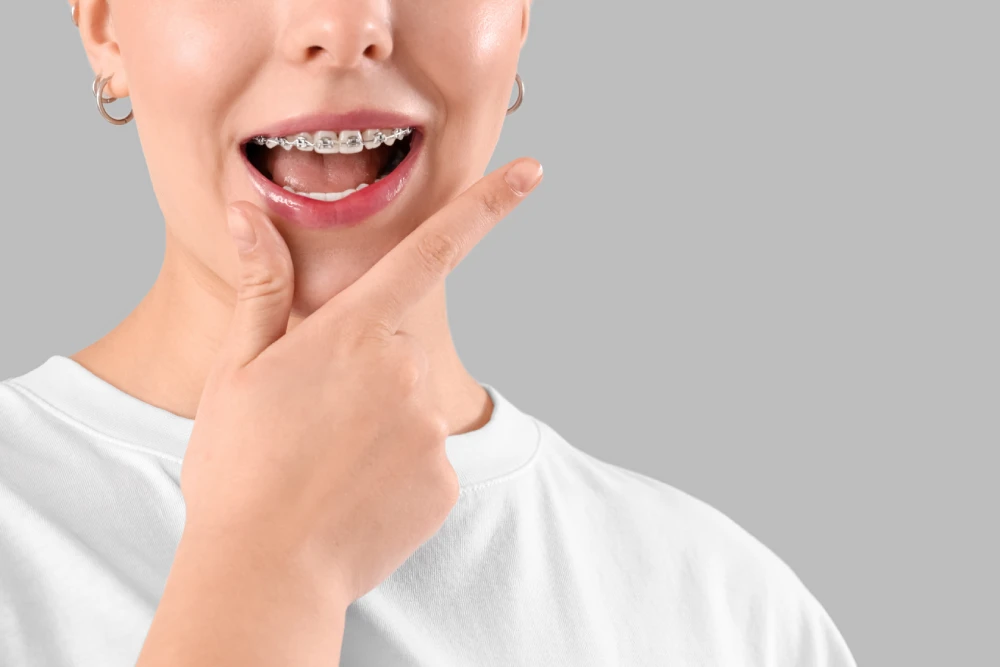
Are Non-Ligating Braces Suitable for Everyone?
Non-ligating braces may be suitable for some patients, but reduced friction alone does not determine which braces system is appropriate. The choice should be based on the tooth movements required and the overall orthodontic treatment plan.
An orthodontist can assess whether the mechanics of non-ligating braces are suitable for the way your teeth need to move during treatment.
Make an Informed Braces Decision With emBRACE Dental Surgery
If you are considering non-ligating braces, features such as reduced friction can be useful to understand, but they are only part of the treatment decision. What matters is how the braces system can be used to guide your teeth towards their planned positions throughout treatment.
At emBRACE Dental Surgery, Dr Tan Kok Liang brings over 20 years of orthodontic experience to assessing which treatment approach may be appropriate for each patient. Book an appointment with us for an orthodontic assessment and to find out which braces system may be suitable for your treatment needs.