
 6235 6325
 9625 1395
Dr Tan Kok Liang
Certified Specialist in Orthodontics (Dental Braces)
BDS, MSc (Orthodontics), DOrth RCS (Edinburgh)
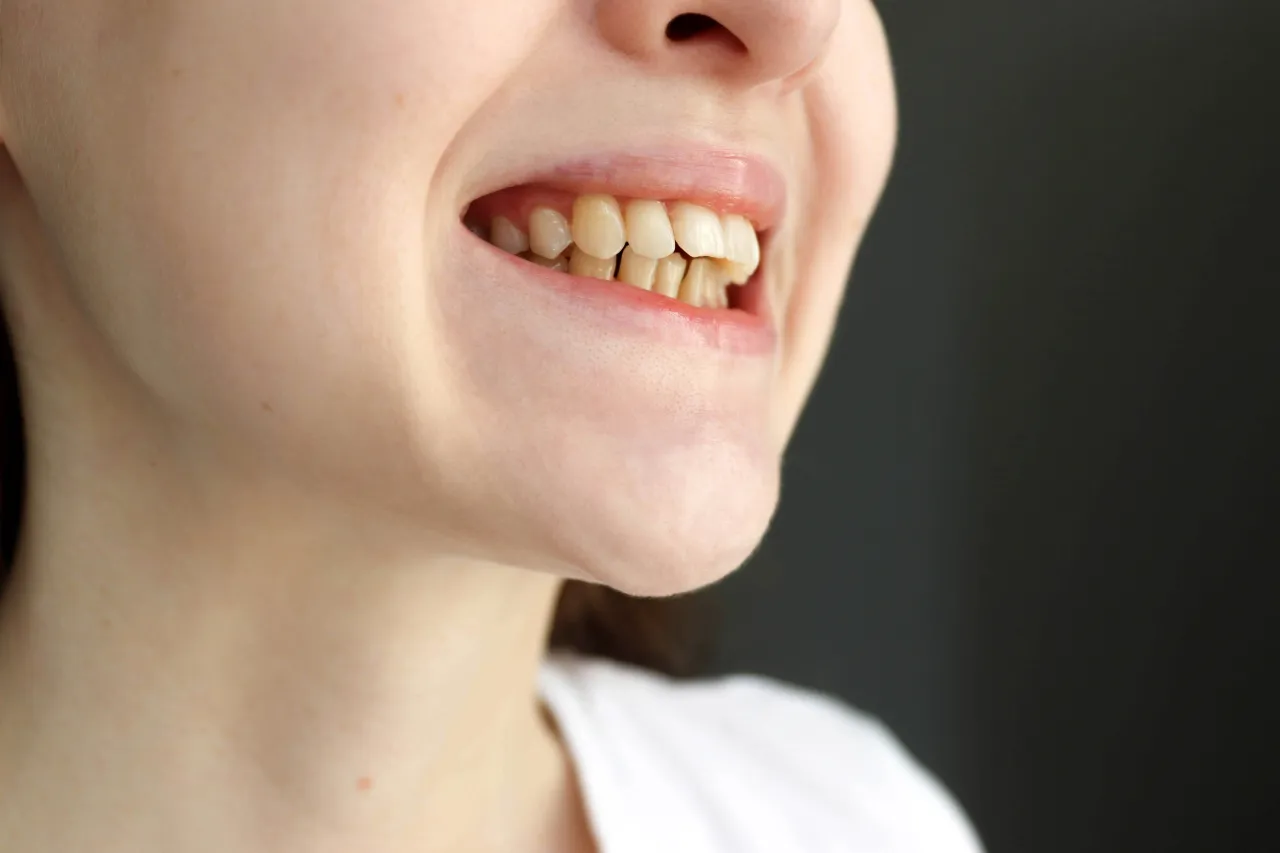
Not every bite problem is obvious when you smile. Sometimes, the first clues are teeth that seem to wear down unevenly, discomfort when chewing or a jaw that frequently feels strained. These signs can be easy to dismiss or attribute to something else, allowing an underlying bite problem to go unnoticed.
A misaligned bite, or malocclusion, occurs when the upper and lower teeth do not meet properly. When this affects how pressure is distributed across the teeth and jaws, problems may develop over time. Recognising the possible signs and having your bite assessed can help determine what is causing them and whether treatment may be needed.
Why Can a Misaligned Bite Be Easy to Miss?
A misaligned bite is not always obvious from the appearance of the teeth alone. Teeth may look relatively straight while the upper and lower teeth do not meet as expected during biting and chewing.
Signs such as uneven tooth wear, difficulty chewing or discomfort can also have several possible causes. Because these concerns do not necessarily point directly to malocclusion, an orthodontic assessment may be needed to determine whether bite alignment is contributing.
What Problems May Be Associated with a Misaligned Bite?
Not every misaligned bite causes problems or requires treatment. However, depending on the type and severity of the malocclusion, the way the teeth meet may contribute to certain dental or functional concerns.
Uneven Tooth Wear, Damage and Sensitivity
Uneven contact between the teeth can place greater force on certain areas during biting and chewing. Over time, affected teeth may show increased wear or become more susceptible to chipping or damage. If enamel becomes worn, some people may also experience tooth sensitivity.
Difficulty Biting and Chewing
A misaligned bite can affect how effectively the upper and lower teeth come together. Depending on the type of misalignment, this may make biting into or chewing certain foods less comfortable or efficient.
Jaw or Muscle Discomfort
Some people with bite problems may experience jaw or muscle discomfort, although these symptoms can have several possible causes. An assessment can help determine whether bite alignment may be contributing rather than assuming the discomfort is caused by malocclusion alone.
Changes in Speech
Malocclusion does not only affect biting and chewing. Certain types of dental or jaw misalignment may also affect how the tongue and teeth interact when producing particular sounds. The effect varies depending on the type and severity of the malocclusion, and not everyone with a misaligned bite will experience speech difficulties.

How Can an Orthodontic Assessment Help?
An orthodontic assessment can examine how the upper and lower teeth meet, identify the type and severity of any malocclusion and determine whether treatment may be appropriate. It can also help with several aspects of treatment planning:
- Identifying the Bite Problem
An assessment can establish how the teeth and jaws are aligned, the type and severity of any malocclusion and whether it may be contributing to concerns such as uneven wear or difficulty chewing. These findings can help determine whether monitoring or treatment may be appropriate. - Considering Dental Development
For children and adolescents, assessment while the teeth and jaws are still developing may help identify bite problems that could benefit from treatment at a particular stage of growth. - Planning Appropriate Treatment
If orthodontic treatment is indicated, the assessment helps determine how the bite should be corrected and which approach may be suitable. Options may include metal braces or Invisalign clear aligners, while some jaw-related misalignments may require other approaches, including corrective jaw surgery in selected cases.
Get Your Bite Assessed by Orthodontist Dr Tan Kok Liang
A misaligned bite is not always easy to recognise, particularly when the teeth appear relatively straight or signs develop gradually. A professional assessment can help determine how your teeth and jaws meet and whether treatment may be appropriate.
At emBRACE Dental Surgery, patients can have their bite assessed and discuss suitable treatment options based on their individual needs. Orthodontist Dr Tan Kok Liang can evaluate how the teeth and jaws function together and explain whether monitoring, orthodontic treatment or other care may be considered. If you are concerned about your bite, schedule an appointment to have it professionally assessed.