 6235 6325
 9625 1395
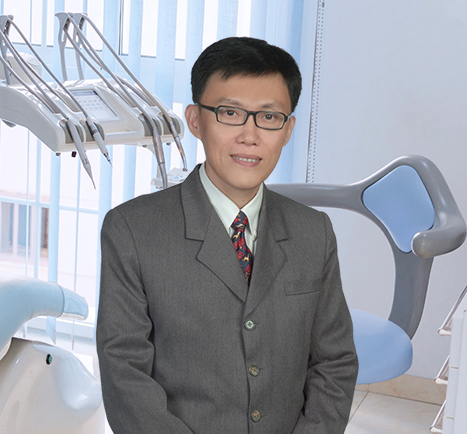
Dr Tan Kok Liang
Certified Specialist in Orthodontics (Dental Braces)
BDS, MSc (Orthodontics), DOrth RCS (Edinburgh)

If you are considering straightening your teeth as an adult, the good news is that you are not necessarily too old for orthodontic treatment. There is no single upper age limit for braces or clear aligners, and adults can undergo orthodontic treatment at many different stages of life.
What matters more is whether your teeth, gums and supporting bones are healthy enough for treatment, as well as the type of alignment or bite problem you would like to address. Existing dental work and other oral health considerations may also influence how treatment is planned. An orthodontic assessment can help determine whether treatment is suitable for you and which options may be appropriate.
Is There an Age Limit for Orthodontic Treatment?
There is no fixed age at which you become too old for orthodontic treatment. Although treatment during childhood or adolescence can take advantage of ongoing jaw growth, teeth can still be moved with orthodontic treatment in adulthood.
Suitability depends less on your age alone and more on the condition of your teeth, gums and supporting bone. Your orthodontist will assess your oral health alongside the alignment of your teeth and bite before recommending treatment.
Healthy Teeth and Gums Matter More Than Age
Healthy teeth, gums and supporting bone provide the foundation for orthodontic treatment. Active tooth decay or gum disease may need to be treated first, as braces and other orthodontic appliances can make oral hygiene more demanding. Reduced gum or bone support may also affect how tooth movement is planned. Assessing these factors helps your orthodontist determine whether treatment is appropriate and whether additional dental or periodontal care may be needed before or during treatment.
Existing Dental Work May Affect Treatment Planning
Having crowns, bridges, implants, or missing teeth does not necessarily prevent you from having orthodontic treatment. However, these factors need to be considered when determining what can be achieved. For example, dental implants cannot be moved orthodontically like natural teeth. Their position may therefore influence which teeth are moved and how spaces are managed. Crowns, bridges and missing teeth may also require orthodontic treatment to be coordinated with other dental care.
What Are the Benefits of Orthodontic Treatment Later in Life?
Adults may consider orthodontic treatment for both functional and aesthetic reasons. Depending on the concern, treatment may address teeth that have shifted, improve certain bite problems, make crowded areas easier to clean or change the alignment of the smile.
Addressing Teeth That Have Shifted Over Time
Teeth can continue to shift during adulthood. Teeth that were previously straightened may also move if retainers are no longer worn as advised. Depending on the type and extent of movement, orthodontic treatment may help address crowding, spacing or other changes in alignment that have developed or returned over time.
Making Oral Hygiene Easier
Crowded or overlapping teeth can create areas that are more difficult to brush and floss effectively. Correcting certain alignment problems may make these areas easier to clean, although good daily oral hygiene and regular dental care remain important.
Improving Bite and Dental Function
Problems with how the upper and lower teeth meet can sometimes affect biting or chewing and may contribute to uneven tooth wear. Depending on the underlying problem, orthodontic treatment may improve tooth alignment and the way the teeth meet.
Addressing Long-Standing Concerns About Your Smile
Some adults have lived with crowded, spaced or uneven teeth for many years but did not undergo orthodontic treatment when they were younger. Treatment in adulthood provides an opportunity to address these concerns. The changes that can realistically be achieved will depend on factors such as your existing tooth positions, bite, oral health and individual treatment goals.

What Should Adults Consider Before Starting Orthodontic Treatment?
While age itself does not necessarily prevent orthodontic treatment, treating an adult is not always the same as treating a child or teenager. Completed jaw growth, existing tooth wear and previous orthodontic treatment can all affect how treatment is planned.
How Completed Jaw Growth Can Affect Bite Correction
Because jaw growth is largely complete in adults, certain bite problems caused by the position or relationship of the jaws may require a different approach from those treated during childhood or adolescence. Orthodontic treatment can still move the teeth, but the options for addressing a significant difference in the position of the jaws may be different once growth is complete. Your orthodontist will assess whether the concern is primarily related to tooth position, jaw position or a combination of both.
How Existing Tooth Wear May Affect Treatment Planning
Adults may already have areas of worn, chipped or shortened teeth that need to be considered when planning orthodontic treatment. Because moving the teeth can change how the upper and lower teeth meet, your orthodontist will consider existing wear alongside your bite and tooth positions when determining the treatment approach. In some cases, orthodontic treatment may also need to be coordinated with restorative dental care.
How Previous Orthodontic Treatment May Affect Your Plan
If you had metal braces or other orthodontic treatment when you were younger, your teeth may have shifted since treatment. You may also still have fixed retainers or other factors related to your previous care. Your orthodontist can assess your current tooth positions, bite and treatment history to determine what has changed and whether further orthodontic treatment may be appropriate.
Don’t Let Age Hold You Back From Orthodontic Treatment
Being older does not mean you have automatically missed the opportunity for orthodontic treatment. Whether treatment is suitable depends more on your oral health, tooth and jaw positions, bite and individual concerns than on your age alone.
At emBRACE Dental Surgery in Singapore, adults with a range of alignment and bite concerns can receive orthodontic care from Dr Tan Kok Liang. If you have been considering orthodontic treatment but have yet to take the next step, arrange a consultation to discuss your concerns, treatment goals and the options that may be appropriate for you.